
Featured Photographer:
|
 |
|
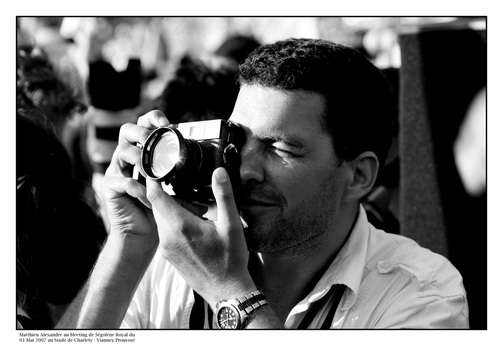 Photo Credit: © Vianney Prouvost Bio:
Subject: Matthieu Alexandre, born 1974 Home: Paris, France Education: Masters Degree in Ethnology, University Paris X (Université de Paris), 1997 International Documentary Work Assignments: Afghanistan, Belgium, Benin, Brazil, Burkina-Faso, Cambodia, Canada (arctic), China, Congo, Denmark, India, Iraq, Jordan, Lebanon, Madagascar, Moldova, Nepal, Niger, Norway, Democratic Republic of Congo, Rwanda, Syria, USA Notable Publications: The Guardian; The Times; and The Independent (Major UK Daily Newspapers); Le Figaro (France- based Magazine); Paris-Match (French Weekly Magazine); Libération (French Daily Magazine);, Le Monde (French Daily Newspaper);, Panorama (Italian Weekly Magazine); La Vie (French Christian Weekly Magazine); and The Kathmandu Post (Nepal's largest-selling English Daily Newspaper) |
Extended Bio:
Matthieu began developing his skills as a shutterbug in 1989 and has worked as a professional photographer since 1997. He is an accomplished photojournalist/documentary photographer, covering all types of stories in both cosmopolitan and remote parts of the world. He has a passion for photo assignments that focus on the plight of people who have been victimized by the collateral effects of war, insurgency, political strife and human rights abuses.
It didn't take him long to find photo/news agencies and Non-Governmental Agencies (NGO's) to carry his work. The inescapably human element of his work, combined with a highly artistic sense of composition makes him a remarkable photographer whose works are difficult to forget. The ill-fated Sigma Agency carried his work within a year of his graduation. He has also had his photography represented through Corbis and Vu.
Several NGO's have also commissioned or supported Matthieu's work. Among them are: Caritas France le Secours Catholique (French Catholic Charity); Médecins Du Monde (Doctors of the World); Reporters Sans Frontieres ("Reporters Without Borders"); Pharmaciens Sans Frontieres (Pharmacists Without Borders); Enfants du Monde Droits de l'Homme (Children of the World - Human Rights); Aide et Action; Emmaus International (international organization fighting poverty and homelessness); Millennium Foundation (U.N. Organization to fight disease); and , La Guilde Europeenne Du Raid.
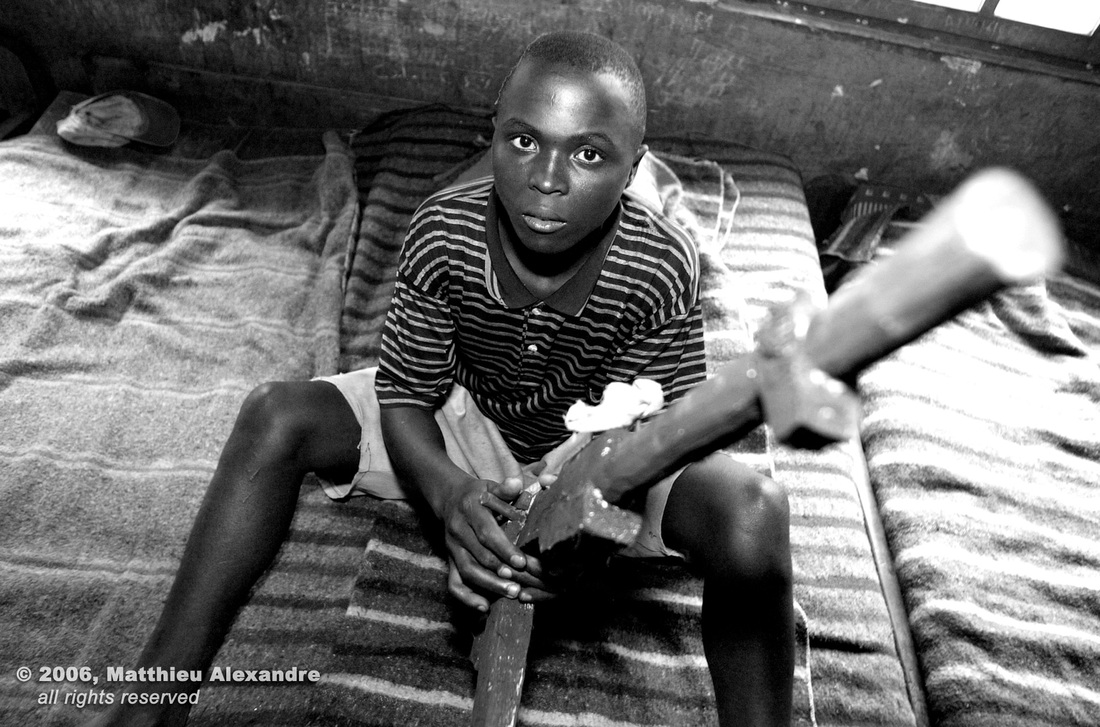
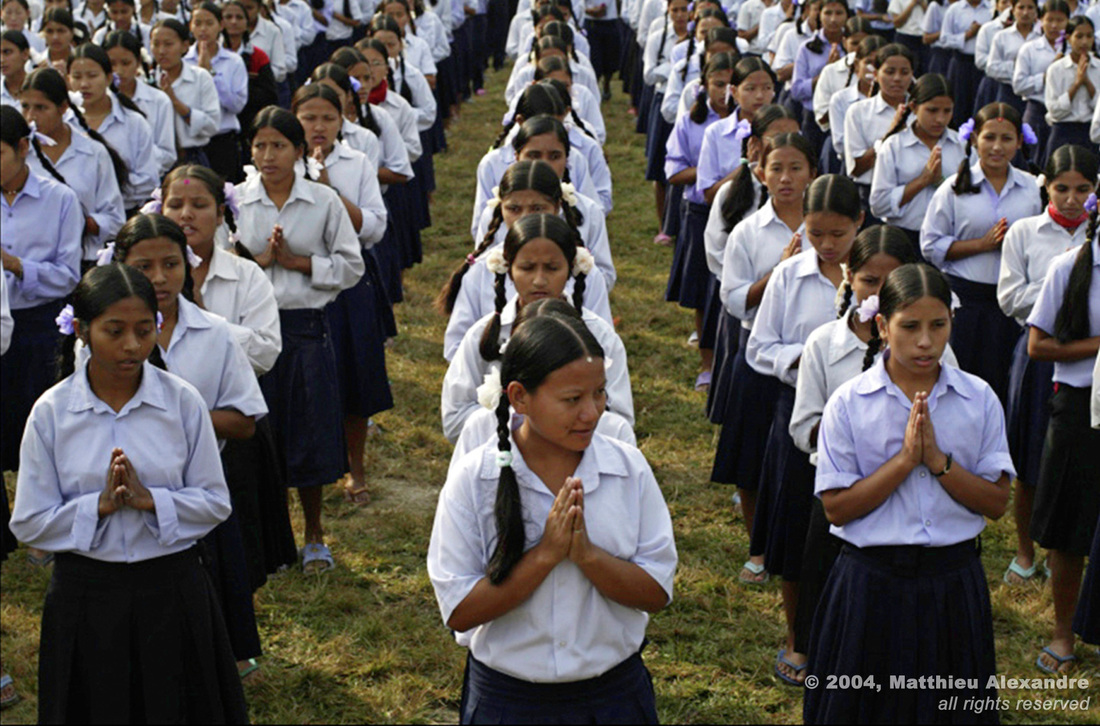
When you see his compelling photographic compositions below, you'll quickly realize that his pictures, characterized largely by moment-in-time portraits, get right to the heart of the matter. He is not afraid to work amidst conditions that most people would find highly uncomfortable and even threatening on a personal level. In conversations with Matthieu, our FreePhotoCourse.com staff realized that he is driven to use his talent to tell sharply personal stories that truly need to be told. He tells these stories through photography that is as thought-provoking as it is beautiful. He is a skilled artist who works with vision and compassion.
Beyond seeing his images in major international newspapers, magazines and NGO publications, Matthieu also has a blog that updates readers with the stories behind what the pictures can tell.
Matthieu began developing his skills as a shutterbug in 1989 and has worked as a professional photographer since 1997. He is an accomplished photojournalist/documentary photographer, covering all types of stories in both cosmopolitan and remote parts of the world. He has a passion for photo assignments that focus on the plight of people who have been victimized by the collateral effects of war, insurgency, political strife and human rights abuses.
It didn't take him long to find photo/news agencies and Non-Governmental Agencies (NGO's) to carry his work. The inescapably human element of his work, combined with a highly artistic sense of composition makes him a remarkable photographer whose works are difficult to forget. The ill-fated Sigma Agency carried his work within a year of his graduation. He has also had his photography represented through Corbis and Vu.
Several NGO's have also commissioned or supported Matthieu's work. Among them are: Caritas France le Secours Catholique (French Catholic Charity); Médecins Du Monde (Doctors of the World); Reporters Sans Frontieres ("Reporters Without Borders"); Pharmaciens Sans Frontieres (Pharmacists Without Borders); Enfants du Monde Droits de l'Homme (Children of the World - Human Rights); Aide et Action; Emmaus International (international organization fighting poverty and homelessness); Millennium Foundation (U.N. Organization to fight disease); and , La Guilde Europeenne Du Raid.
When you see his compelling photographic compositions below, you'll quickly realize that his pictures, characterized largely by moment-in-time portraits, get right to the heart of the matter. He is not afraid to work amidst conditions that most people would find highly uncomfortable and even threatening on a personal level. In conversations with Matthieu, our FreePhotoCourse.com staff realized that he is driven to use his talent to tell sharply personal stories that truly need to be told. He tells these stories through photography that is as thought-provoking as it is beautiful. He is a skilled artist who works with vision and compassion.
Beyond seeing his images in major international newspapers, magazines and NGO publications, Matthieu also has a blog that updates readers with the stories behind what the pictures can tell.
|
Click on any of the photos below to see the full-
size version of Matthieu's work: *All images are special to FreePhotoCourse.com and are the property of Matthieu Alexandre. All rights reserved; these photos may not be copied, stored, transmitted or published.
|
Our Interview with Matthieu...
FreePhotoCourse.com: Who is your favorite photographer of all time and why?
Matthieu Alexandre: "William Eugene Smith for his dedication to his work, his aesthetic and his darkroom work." (ed. note: William Eugene Smith was an iconic American photographer who authored some of the most honest, yet brutal images of WW II; images that underscored the inhumane reality of war. Smith also photographed famous picture series of coal miners, the early American Jazz scene, Pittsburg steel workers and Dr. Albert Schweitzer. See more of his work here.) FreePhotoCourse.com: Your formal education was in Ethnology; why did you switch directions in your career and get into photography? Matthieu Alexandre: "I do not consider the relation between my studies in Sociology, Ethnology and Anthropology and my photographic work as much a switch as it is a strong link. The common point is the question, 'How are human beings living and thinking around the world ?'. When it comes right down to it, only the methods and tools to answer to this question are different between photography and anthropology, but the goal is the same." FreePhotoCourse.com: What one “famous” photo image stands out in your mind above the rest? Why? Matthieu Alexandre: "So many, it is very difficult to pick just one. The one I have at the moment on my desk near my computer is the one showing Dr. Albert Schweitzer working at his desk in the light of an oil lamp. (Photograph taken in Lambaréné, Gabon by Eugene Smith in 1954). Maybe I admire this photo so much because it inspires me to see such a gifted man dedicating his life to his work, late at night, no rest. I am talking of Schweitzer as well as Smith! This photograph is a double portrait for me." |
FreePhotoCourse.com: Which one of your own photographs do you feel is the best you've ever produced?
Matthieu Alexandre: "Maybe it's a photo I took in South India in 1998. It depicts three men breaking-up stone in a quarry, using manual tools. It's hard to imagine, but this is their career. (Ed. Note: Matthieu is talking about the image below.)
FreePhotoCourse.com: Why did you choose this one? What is it about this particular photo that really grabs you?
Matthieu Alexandre: "It's hard to put it in words...maybe I like this one so much because this photograph is the result of the equation between wide angle view and human scale. The combination is powerful. These are two points of view I try to focus on. I try to keep a wide and large angle to give context and use interesting perspectives to give a human scale to some concepts."
FreePhotoCourse.com: Matthieu, this is a spell-binding photograph! Your perspective makes the worker's job seem insurmountable, which is likely a feeling he experiences. Although faceless, the all of these workers' bodies communicate a great deal. The man in the immediate foreground appears to be looking at, perhaps, the massive difficulty of the job ahead. The composition sweeps the eye up the tall cliff. What an intense picture!
Matthieu Alexandre: "Maybe it's a photo I took in South India in 1998. It depicts three men breaking-up stone in a quarry, using manual tools. It's hard to imagine, but this is their career. (Ed. Note: Matthieu is talking about the image below.)
FreePhotoCourse.com: Why did you choose this one? What is it about this particular photo that really grabs you?
Matthieu Alexandre: "It's hard to put it in words...maybe I like this one so much because this photograph is the result of the equation between wide angle view and human scale. The combination is powerful. These are two points of view I try to focus on. I try to keep a wide and large angle to give context and use interesting perspectives to give a human scale to some concepts."
FreePhotoCourse.com: Matthieu, this is a spell-binding photograph! Your perspective makes the worker's job seem insurmountable, which is likely a feeling he experiences. Although faceless, the all of these workers' bodies communicate a great deal. The man in the immediate foreground appears to be looking at, perhaps, the massive difficulty of the job ahead. The composition sweeps the eye up the tall cliff. What an intense picture!
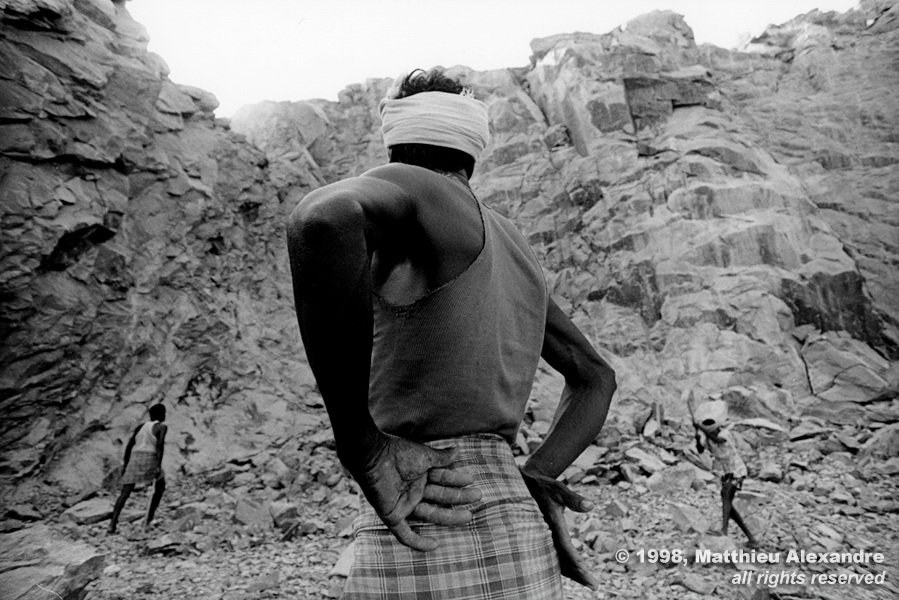
1998, Tindivinam, Tamil Nadu, India: 'Workless Hopeful Workers'; three laborers standing and working in a stone quarry. These 'untouchables' work in salt and stone, often shielding themselves from the shards of stone falling on them while blasting occurs. This compelling image uses a wide angle and strong, interesting perspective to create a sense of the overwhelming - a feeling surely experienced by these workers. In this story, Matthieu learned that at local NGO run by a fellow untouchable dalit who become a lawyer, provides proper medical care for these desperate manual laborers.
Shot with a Canon F1, 19mm f 3.5 fixed lens; f/8; Tri-X Pan monochromatic film at 400 ISO.
Shot with a Canon F1, 19mm f 3.5 fixed lens; f/8; Tri-X Pan monochromatic film at 400 ISO.
|
Our interview continued:
FreePhotoCourse.com: What do you hope to accomplish before you retire? Matthieu Alexandre: "Books. That’s the only testimony that survives." FreePhotoCourse.com: It sounds like you like keeping busy! On that note, what do you think about the idea of a photographer actually “retiring”? Matthieu Alexandre: "Henri Cartier Bresson did retire quite early and his work is still present and inspiring." FreePhotoCourse.com: Good point. Matthieu, many of your photo assignments have taken you to war-torn and dangerous parts of the world, where human rights abuses are commonplace. Most people would never willingly step foot in these areas, let alone get in the 'line of fire', so to speak. Matthieu Alexandre: "I do not consider myself as a “war photographer” but rather as a “peace correspondent”. I am not running to the front line, but rather, I try to gather the testimonies of the victims of war that are in the shadow, in the backstage." FreePhotoCourse.com: How do you keep yourself safe? Matthieu Alexandre: "What has kept me safe may be the trust I have in local people welcoming me while I'm on location working the field." FreePhotoCourse.com: You did some feature work on Christians in Iraq. What do you think has happened to these people since then and to their ability to practice their religion? Matthieu Alexandre: "I made this story with Christians in Iraq in 2003 and 2004. Most of them have fled to other countries." FreePhotoCourse.com: In addition to your work for photo agencies, you've also worked on contract/assignment for various NGO's. What generally happens with these particular photos? Matthieu Alexandre: My photographs are featured in the monthly magazines published by these NGOs and in the slideshows that are often carried on their web sites. Some were used as greetings postcards or wall posters; these are generally to bring worldwide attention to the desperate situations and to the work being done by the particular NGO." FreePhotoCourse.com: What have you learned about the world through your work as a photo journalist? Matthieu Alexandre: "I have learned some very basic truths about the world and its people. Namely, that we can believe in human faith and that we need to fight for freedom." FreePhotoCourse.com: What overall message do you hope your photography sends to the world? |
|

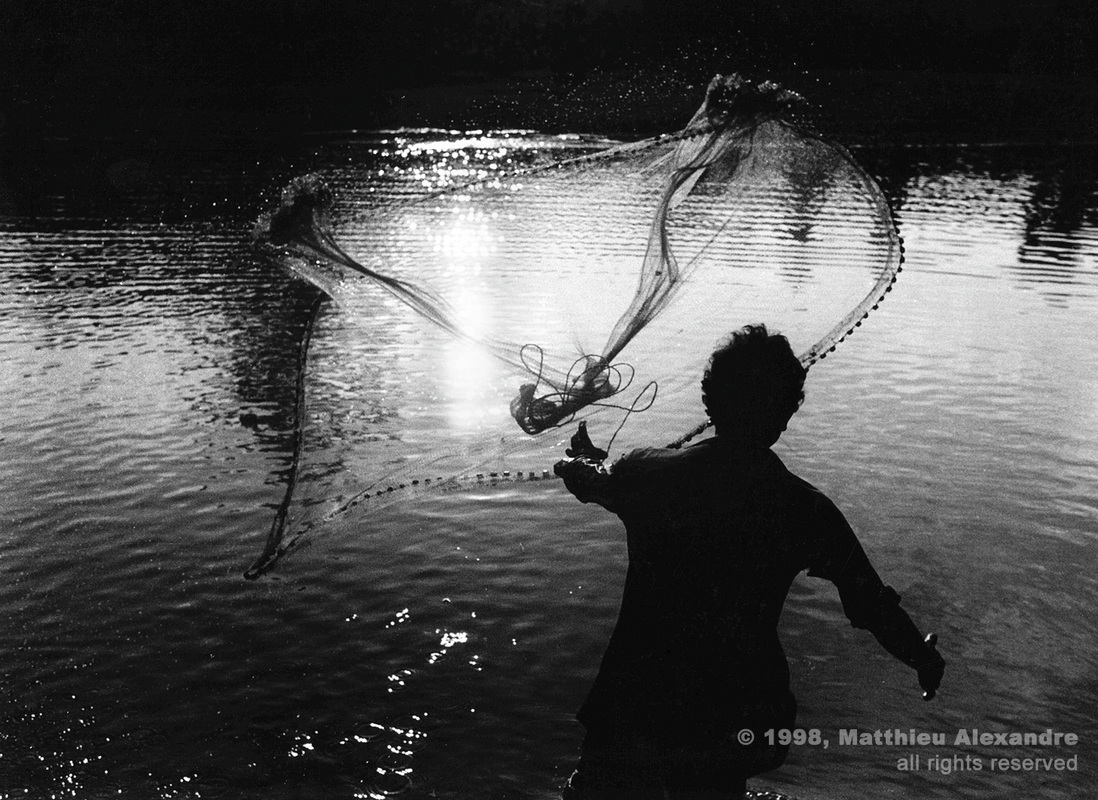
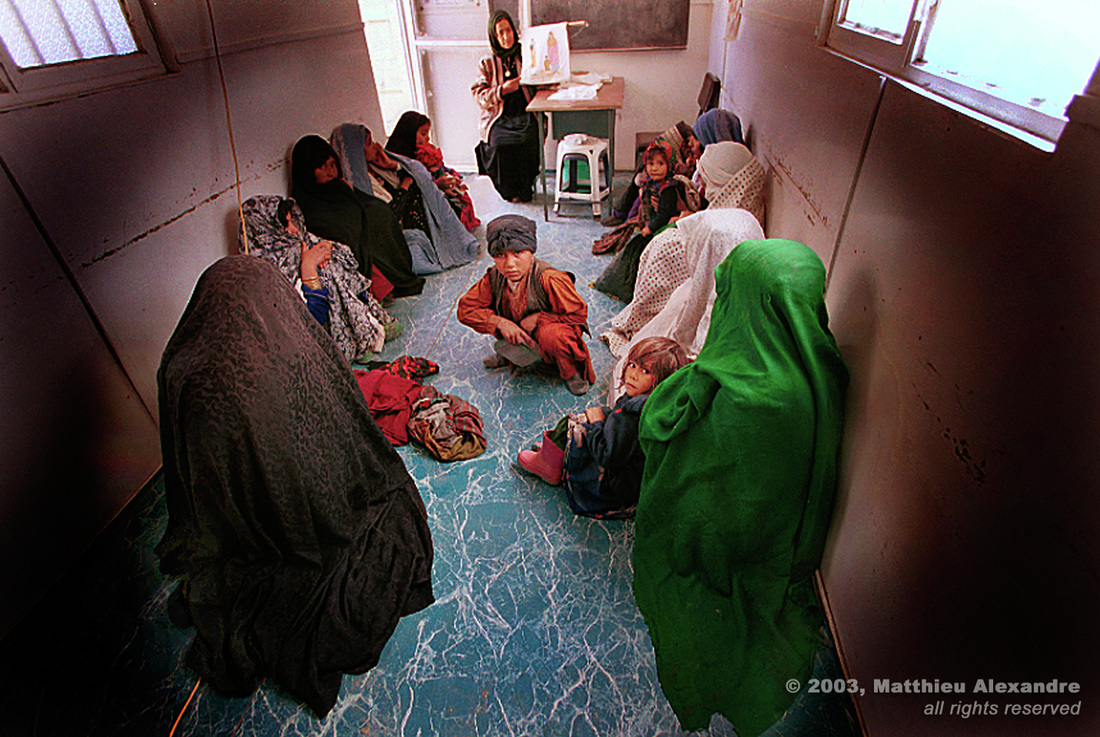
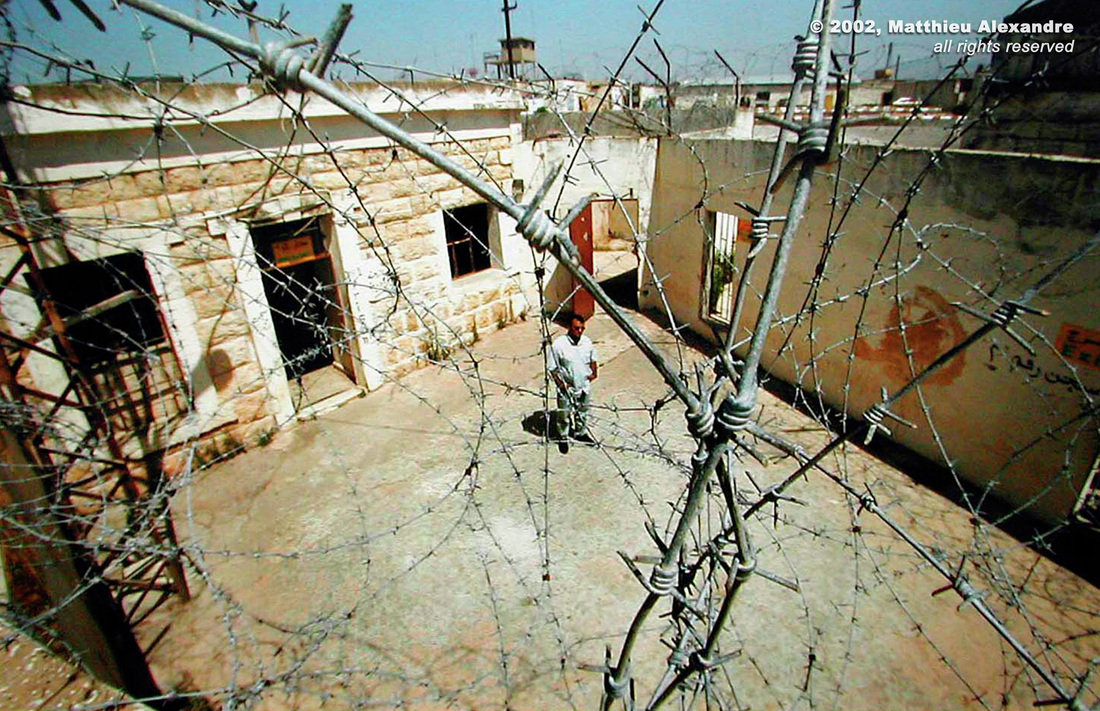
More of Matthieu's work is showcased below; some picks from a body of work that is
as gripping and authentic as it is artistically expressive:
Click on any image to see the expanded version.
* reminder - all images are property of the photographer and may not be copied, stored, transmitted, published or used in any way; all rights reserved.
as gripping and authentic as it is artistically expressive:
Click on any image to see the expanded version.
* reminder - all images are property of the photographer and may not be copied, stored, transmitted, published or used in any way; all rights reserved.
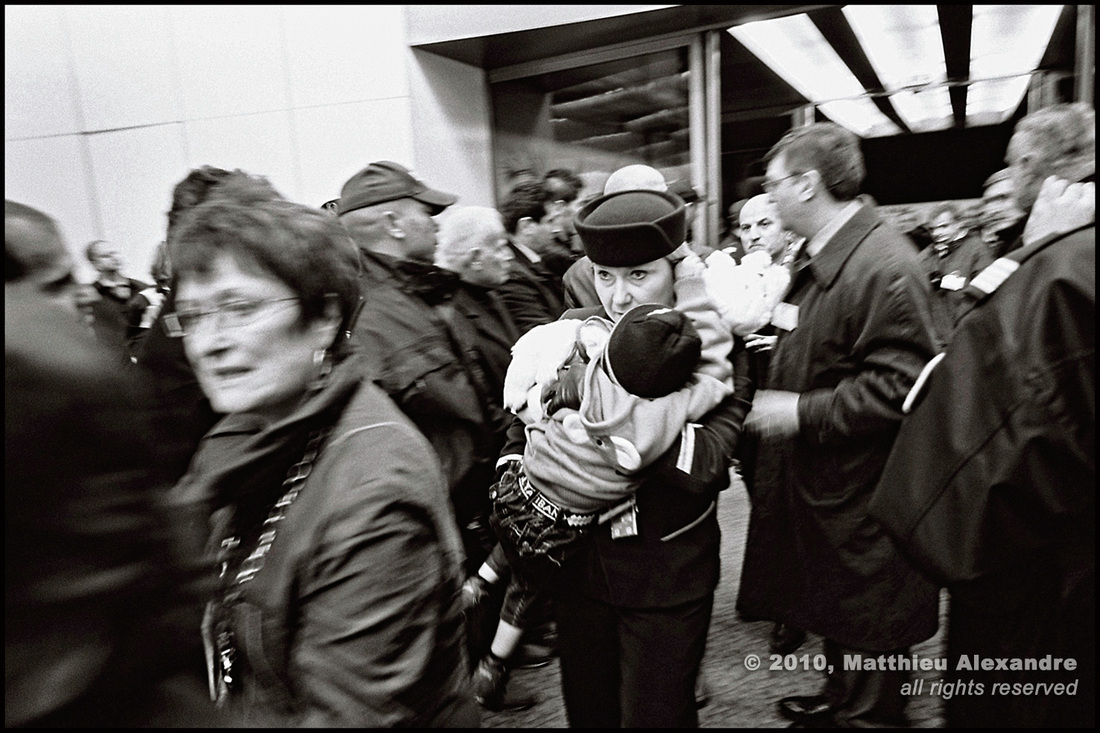 Leica M6, f/4 21mm fixed Lens, Tri-X 400 film, 1/15 2010, Paris, France: A French air hostess carries an
Iraqi child in her arms at Orly Airport, south of Paris, France, on November 8, 2010. A group of 35 wounded Iraqis arrived at Orly airport in Paris for hospital treatment following a deadly Al-Qaeda hostage attack in a Baghdadi church on October 31, 2010. |
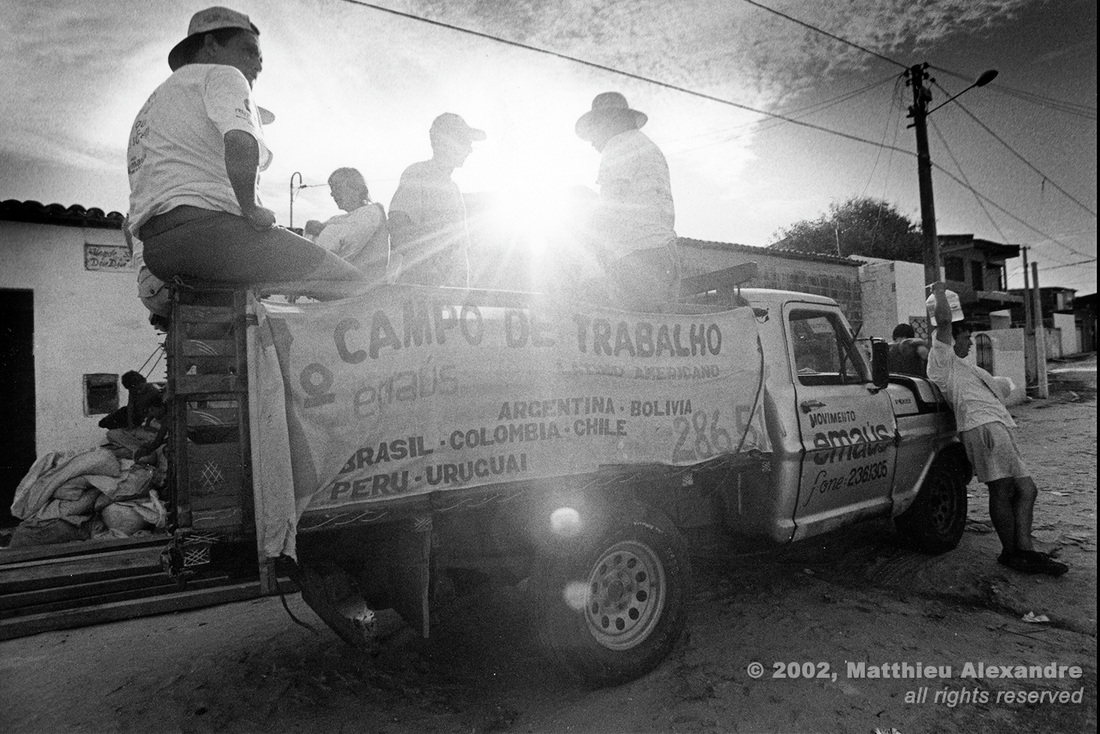 Leica M6, f/3.4 21mm fixed lens; f/8, 1/250, Tri-X 400 film 2002, Fortaleza (state capital of Ceará), Brazil:
Part of Matthieu's "Workless Hopeful Workers" series. Workers with NGO Emmaus gather at a truck to go to a work site where they are building shelters for the homeless living in the favela (ghetto). |
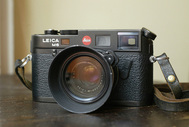 Matthieu's parents gave him his first Leica when he was 17 as a graduation gift. He purchased his most recent Leica (a new M6) in 2001. |
Editor's Note: Matthieu photographed the above two images with one of his favourite cameras, the legendary German-made Leica M6 rangefinder. He mentioned that he never uses a tripod and often uses slow shutter speeds - even up to 1 full second while hand-holding! In doing so, he is able to capture and reveal motion, while using his experienced and steady hand to freeze intensely emotional focal points that are paused in thought. Look at the incredible image on the top left. The slow shutter speed captures the hustle and bustle of the airport, while the stewardess holding the child is crystal clear. Beautiful work Matthieu! |
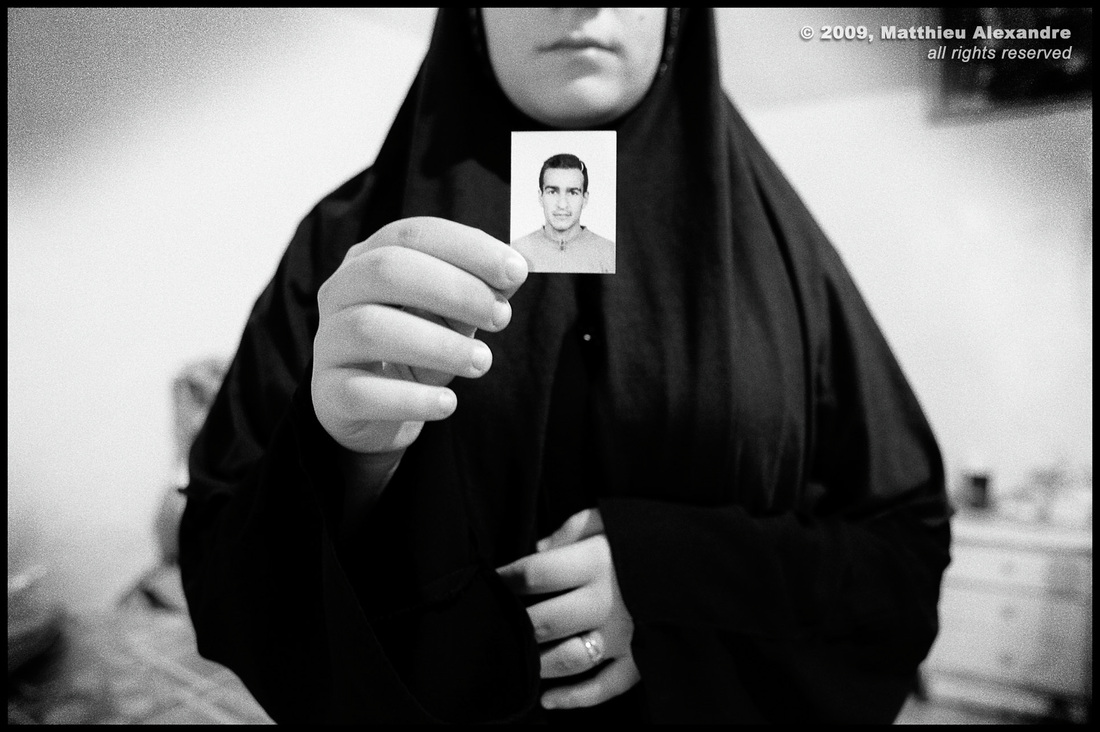 Canon Eos 1d MKii, f2.8 16-35mm L at 20mm; 1/15', f/2.8, ISO 800
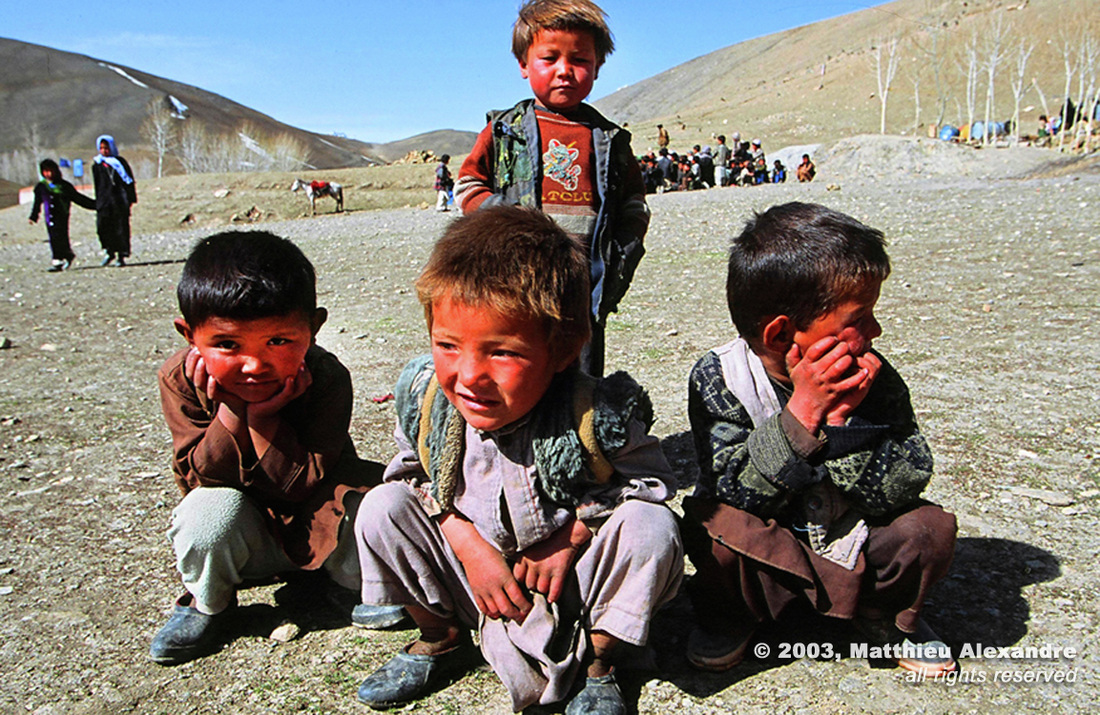 Canon EOS 1, f/2.8 20-35mm Lens at 20mm; f/8; Fuji Provia 100
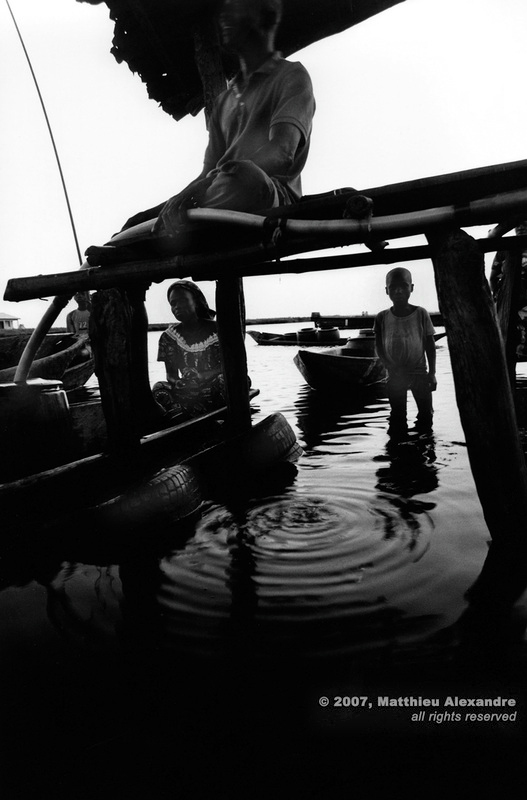 Canon EOS 1, f/2.8 24-70mm Lens at 35mm; f/5.6; Kodak Tri-X 400
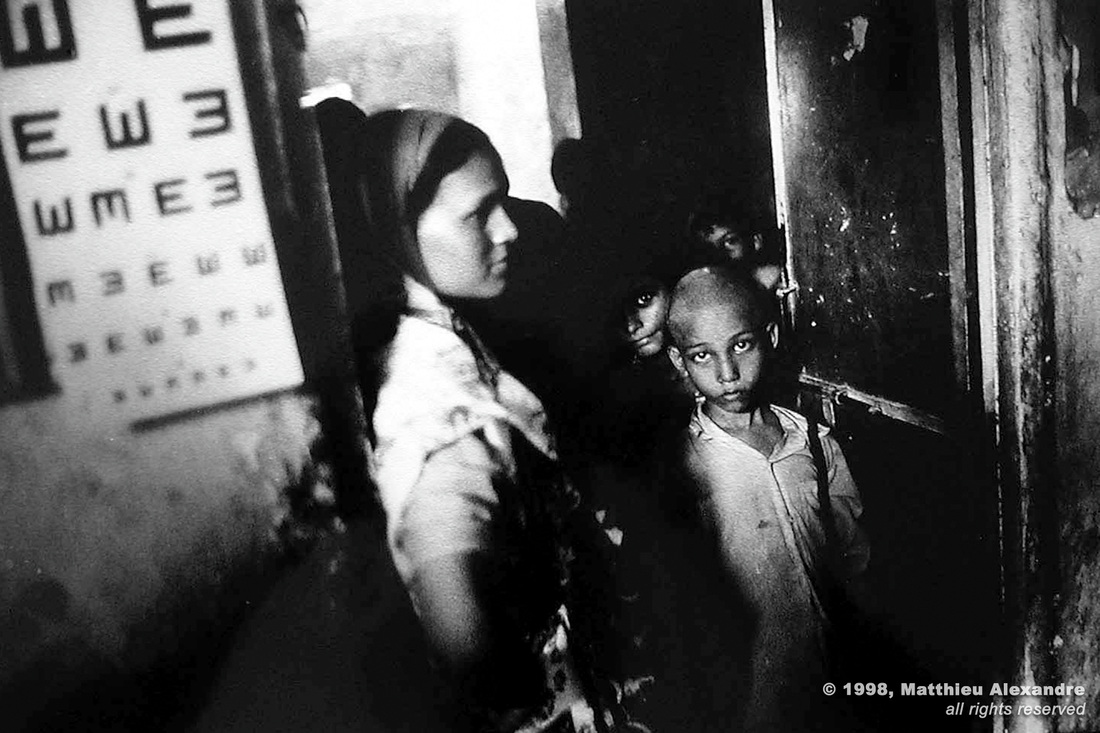 Canon F1, f/1.4 50mm fixed lens; f/1.4, Kodak Tri-X 400 film
|
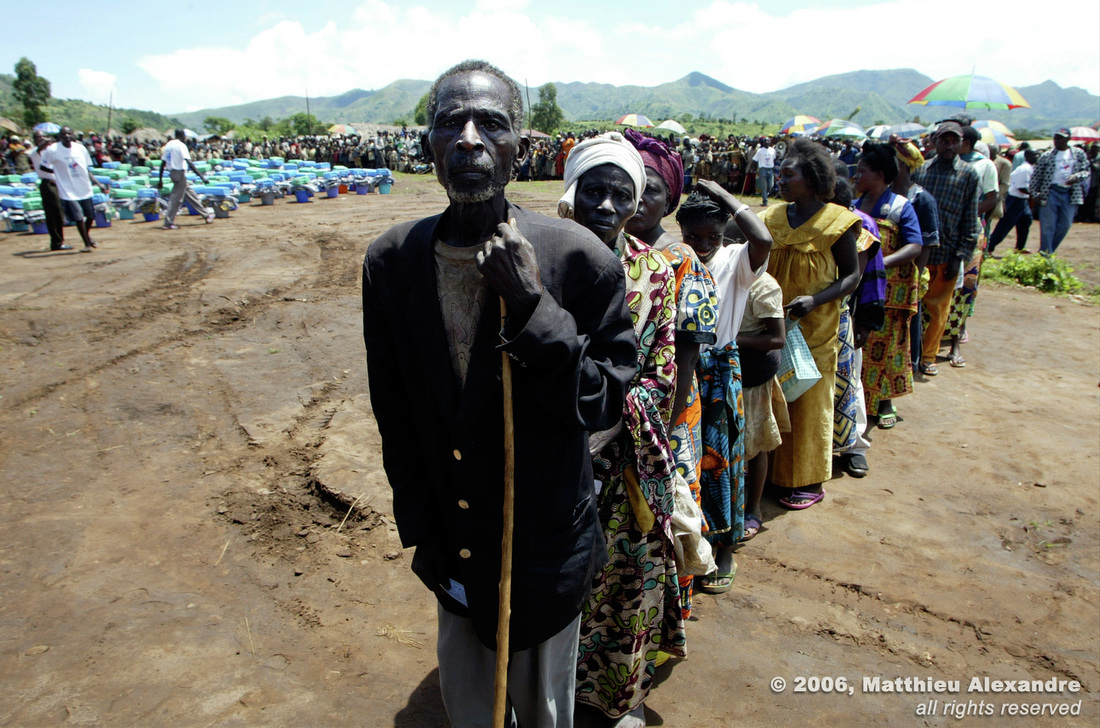 Canon EOS 1d, f/2.8 17-35mm L lens at 17mm; f/8, ISO 200
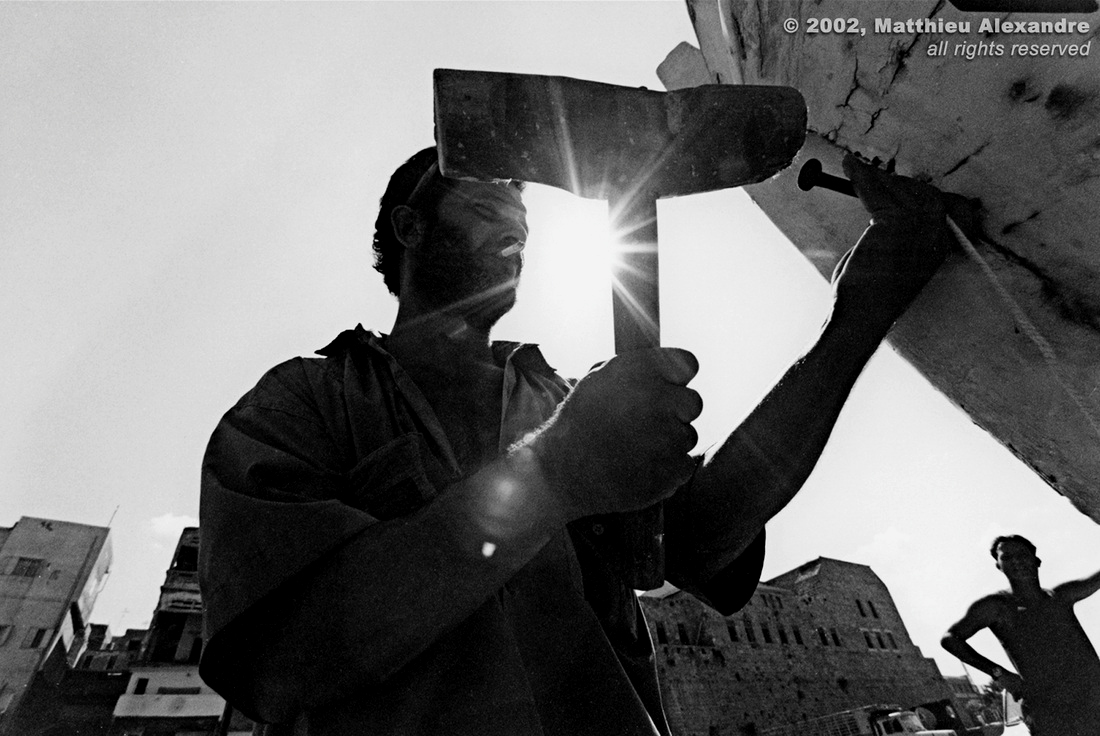 Canon EOS 1, f/2.8 20-35mm Lens at 20mm; f/8; Kodak Tri-X 400
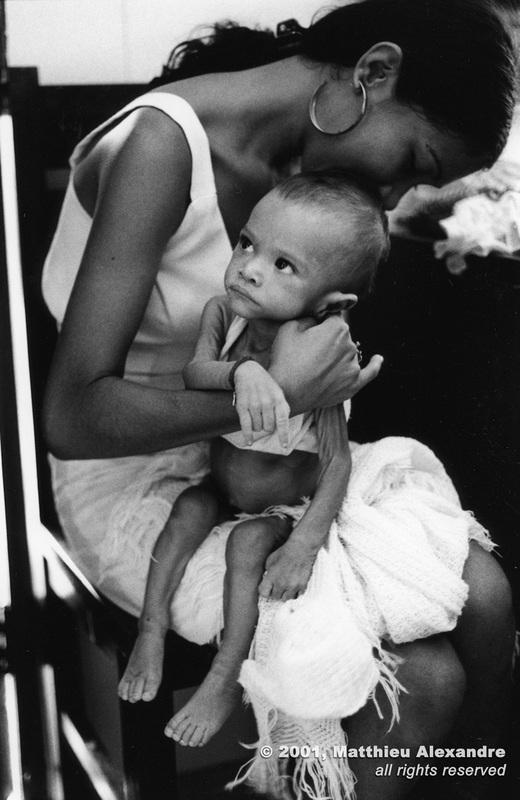 Leica M6, f/2 35mm fixed lens; f/4, Kodak Tri-X 400 film.
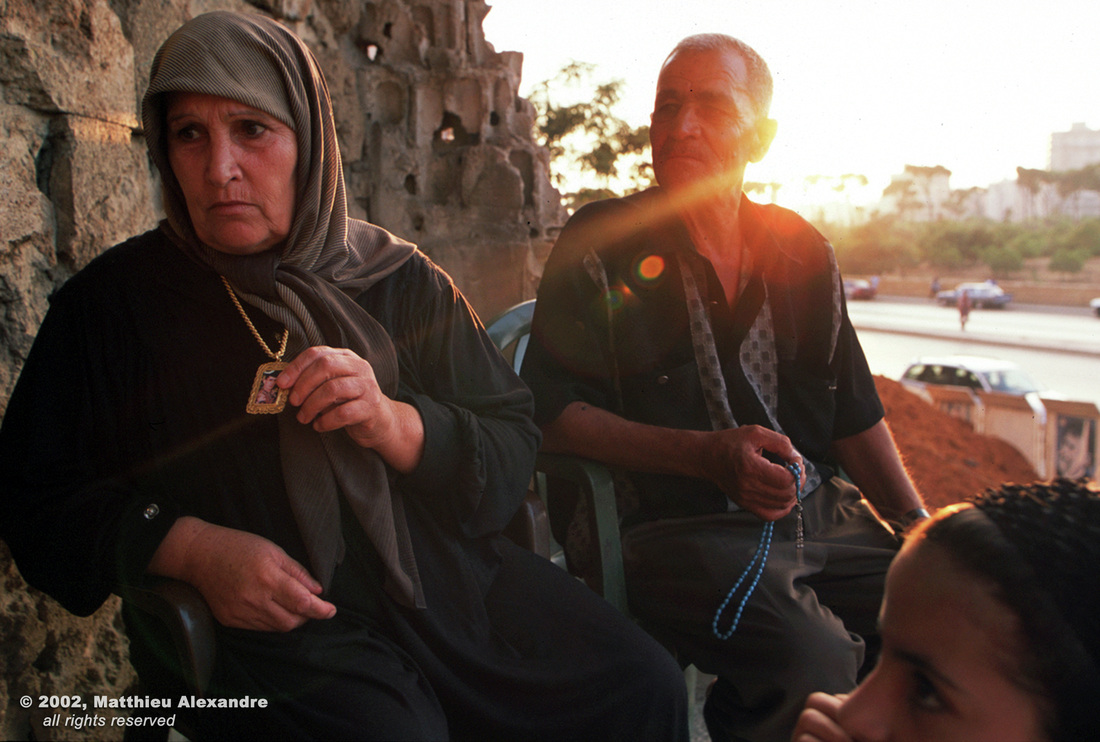 Canon EOS 1, f/2.8 20-35mm Lens at 35mm; f/5.6; Fuji Provia 100
|

LINKS:
HOME PHOTO TIPS INDEX FULL COURSE INDEX "HOW TO" INDEX PHOTO FORUM
SITE SEARCH CONTRIBUTOR'S GALLERY CAMERA & GEAR STORE FREE DIGITAL PICTURES
NYC EXPOSED
© FreePhotoCourse.com. All rights reserved. Reproduction, storage, copying, publishing, manipulation, digitizing or selling of any of the text or photos on this website is strictly prohibited. Under no circumstances shall any part of the content on this website be plagiarized or referenced as the work of an author or photographer. Re-selling of any of the content on this site is strictly prohibited. The lessons on this website were provided free of charge for individual home users; if you paid for any of this you have been cheated. Please report any misuse, sale or plagiarism of this material here OR E-MAIL US AT: CONTACT@FREEPHOTOCOURSE.COM
Browse, learn, purchase and explore with confidence.
Certified virus-free, malware-free, spyware-free, scam-free and spam-free.
Associate-Sponsor Disclosure Content Download & Terms of Use Privacy Policy Contact Us Contributor's Gallery Terms of Use Forum Terms of Use
Certified virus-free, malware-free, spyware-free, scam-free and spam-free.
Associate-Sponsor Disclosure Content Download & Terms of Use Privacy Policy Contact Us Contributor's Gallery Terms of Use Forum Terms of Use
